
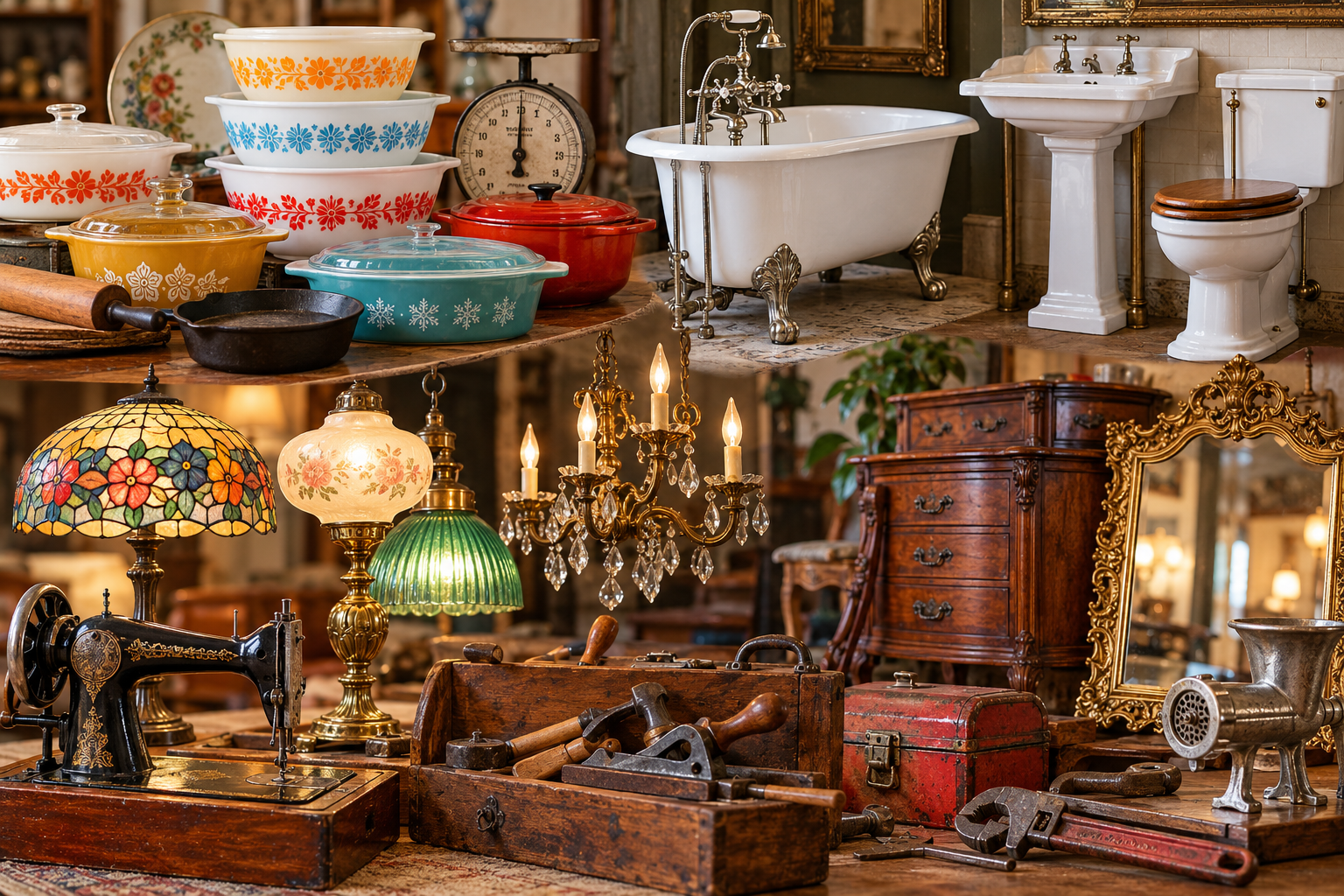
Many vintage household items that appear outdated or ordinary can attract buyers in the resale market. Collectors, antique enthusiasts, interior designers, and homeowners restoring older properties often look for discontinued products, distinctive craftsmanship, and original designs.
Before donating or discarding old belongings, it is worth checking whether they have resale potential.
From retro kitchenware to antique bathroom fixtures, several overlooked household items may be worth more than their owners realize.
Vintage Kitchenware and Collectible Cookware
John Gordepe, founder of TBCHB says: “Vintage kitchenware is popular among collectors who appreciate nostalgic designs, recognizable brands, and discontinued patterns.
Items such as patterned casserole dishes, colorful mixing bowls, cast-iron cookware, and older serving sets may attract buyers looking for pieces that are difficult to find in modern stores.
Condition, manufacturer, rarity, and pattern can all influence resale value. Complete sets and pieces with original packaging may be particularly appealing.
However, not every vintage kitchen item is valuable, so comparing recent sales is more useful than relying on asking prices alone.
Antique Bathroom Fixtures and Plumbing Hardware
Cindy Hansen, co-founder of Emergency Plumbing Squad, shares: “Old bathroom fixtures can have a surprisingly specialized resale market.
Vintage pedestal sinks, clawfoot bathtubs, high-tank toilets, porcelain faucet handles, and decorative brass taps may appeal to homeowners restoring historic properties or creating vintage-inspired bathrooms.
Architectural salvage dealers also sell reclaimed bathroom pieces for their distinctive appearance and craftsmanship. Antique bathroom fixtures can attract buyers who appreciate their character, while certain accessories and replacement components are collectible in their own right.
Before removing an old sink, bathtub, or toilet during a renovation, check for manufacturer markings, unusual finishes, and original components.
Plumbing compatibility, transportation costs, and the fixture’s condition will affect its practical resale value. Consult a qualified plumber before attempting to reuse older fixtures, particularly when their connections or structural condition are uncertain.”
Vintage Lamps and Decorative Lighting
Older table lamps, wall sconces, pendant lights, and chandeliers can attract buyers interested in traditional interiors and mid-century design. Brass finishes, colored glass, unusual shapes, and recognizable manufacturers may make certain pieces more desirable.
Original shades and decorative details can increase appeal, but damaged wiring may reduce the item’s usability. Sellers should photograph maker labels and distinctive features, and clearly disclose whether electrical components have been tested or need professional restoration.
Antique Mirrors and Wooden Furniture
Vintage mirrors, wooden cabinets, side tables, and dressing tables can appeal to buyers who prefer traditional craftsmanship over mass-produced furniture.
Solid wood construction, decorative carving, unusual hardware, and original finishes may help distinguish an item from modern reproductions.
Smaller pieces are often easier to transport and sell locally. Before refinishing furniture, research its age and condition because aggressive sanding or repainting can reduce the appeal of some antique pieces.
Old Tools and Household Equipment
Harrison Tang, CEO of Spokeo, tells us: “Vintage hand tools, mechanical kitchen equipment, sewing machines, and older workshop accessories can interest collectors and practical buyers alike.
Some people purchase them for restoration projects, while others value their durability or historical design.
Look for brand names, model numbers, unusual features, and original cases.
Working condition can be important, although certain rare items may still attract collectors when they need repair. Specialized tools can sometimes be easier to sell to knowledgeable buyers than through a general secondhand listing.”
How to Determine What Vintage Items Are Worth
The best way to estimate resale value is to research comparable items that have actually sold. Online marketplaces, antique dealers, auction records, and architectural salvage businesses can help establish realistic price expectations.
Check the item’s maker, age, condition, completeness, and rarity. Take clear photographs of labels, markings, damage, and included accessories. For bulky items such as bathtubs or furniture, consider whether collection and delivery costs will reduce your potential profit.
Avoid spending heavily on restoration before understanding what buyers want. In some cases, collectors prefer original condition over a modernized finish.
Conclusion
Vintage household items can have a surprising resale market when they offer rarity, recognizable craftsmanship, historical character, or hard-to-find replacement parts.
Kitchenware, antique bathroom fixtures, decorative lighting, furniture, and old tools are all worth researching before disposal.The key is to verify demand rather than assume that age alone creates value.
By checking comparable sales, identifying manufacturers, and presenting items accurately, homeowners can uncover resale opportunities while keeping useful materials out of landfills.
